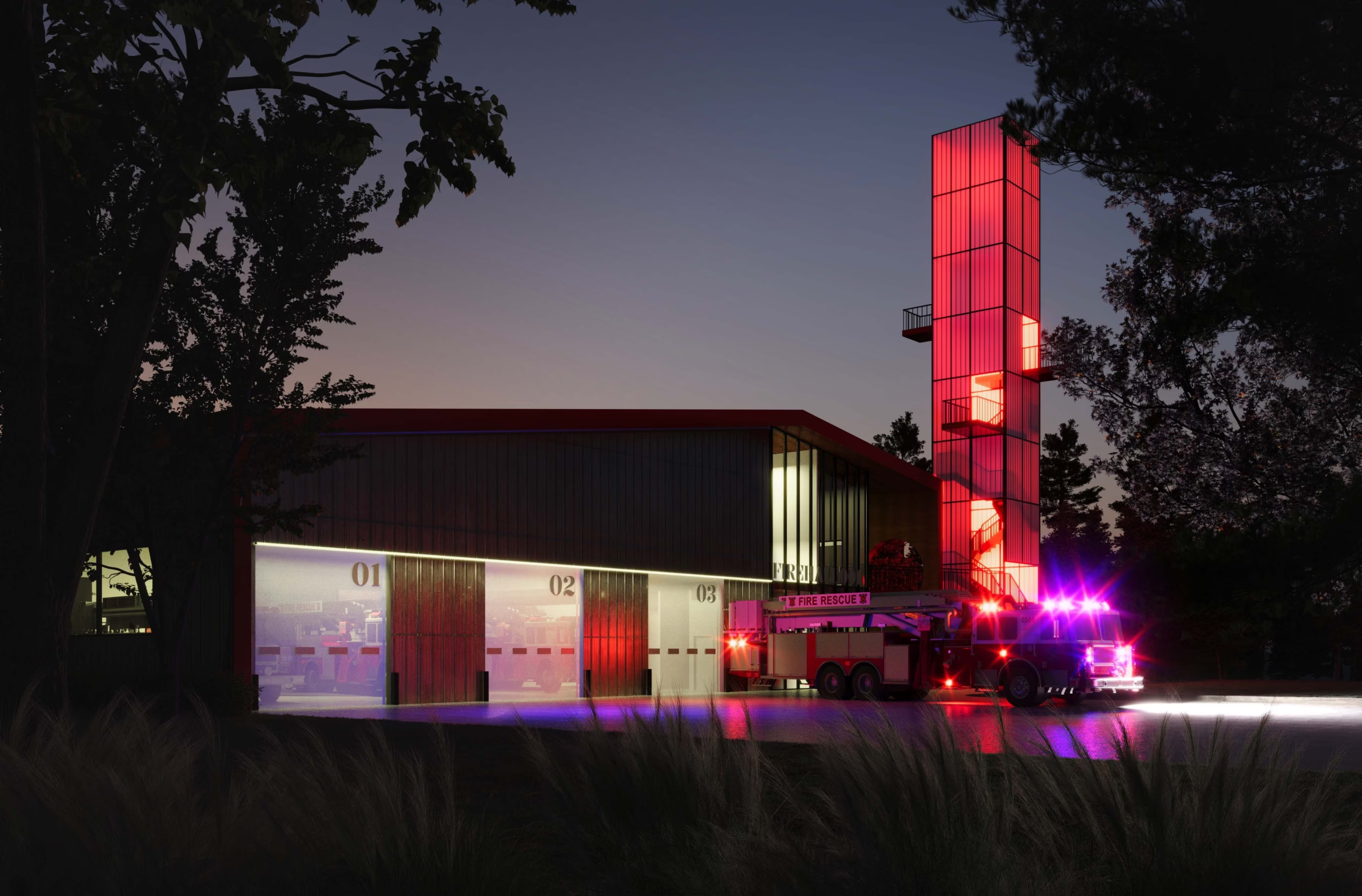
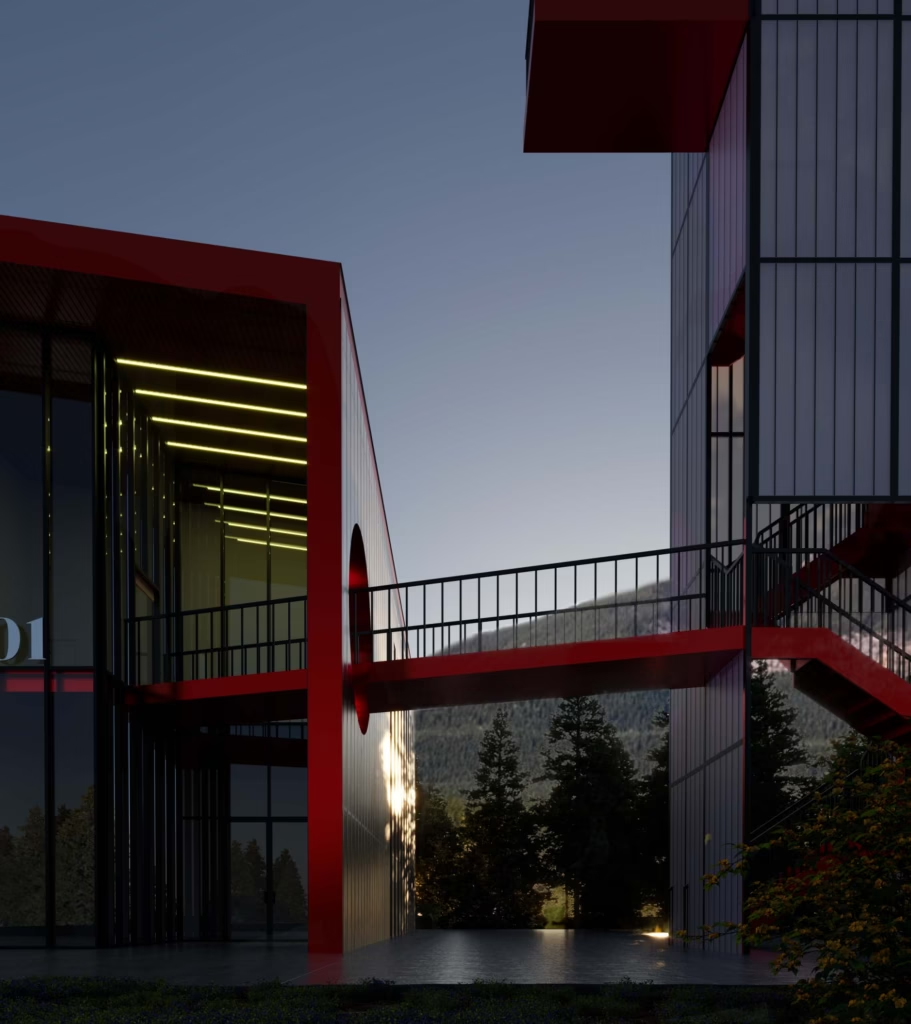
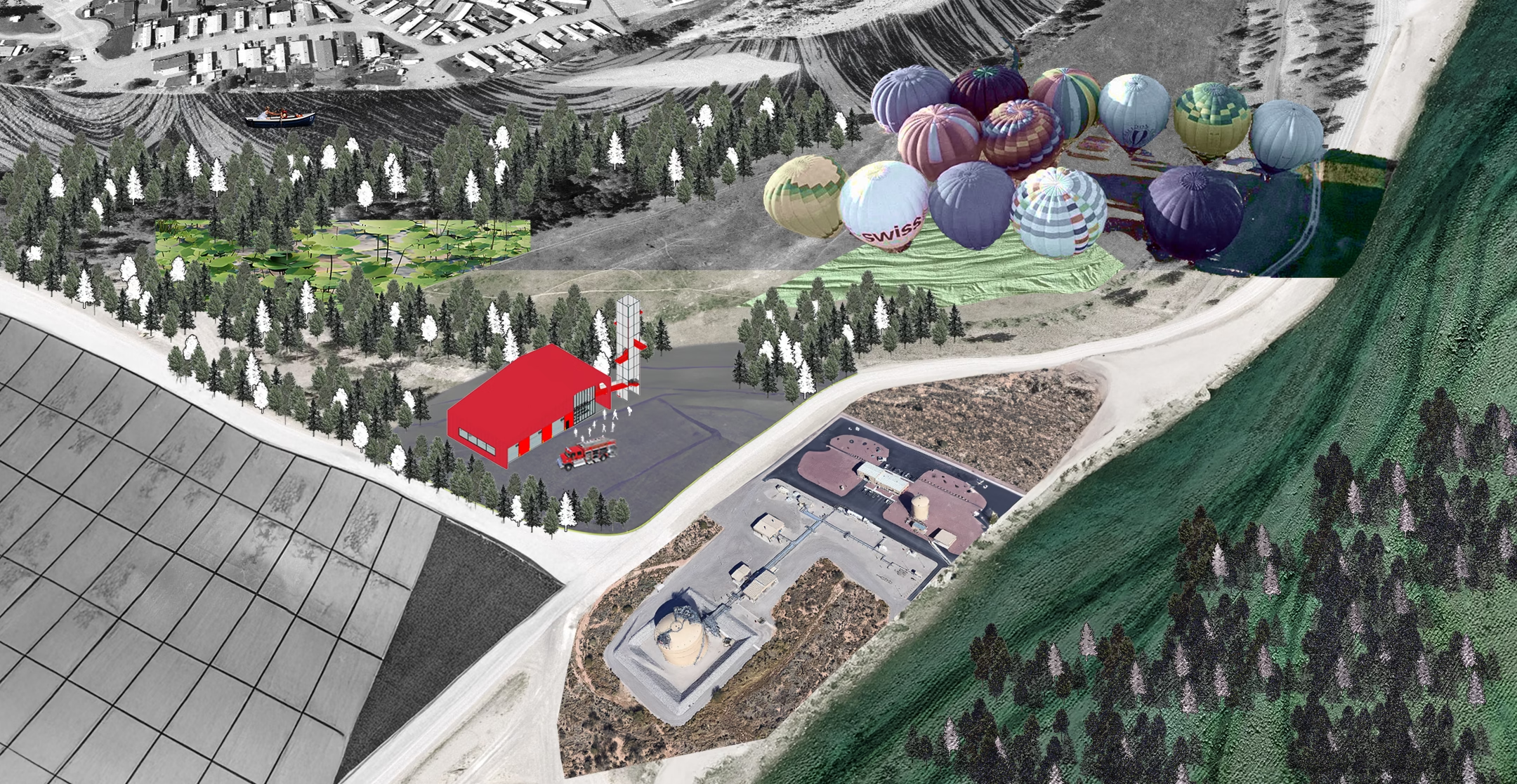
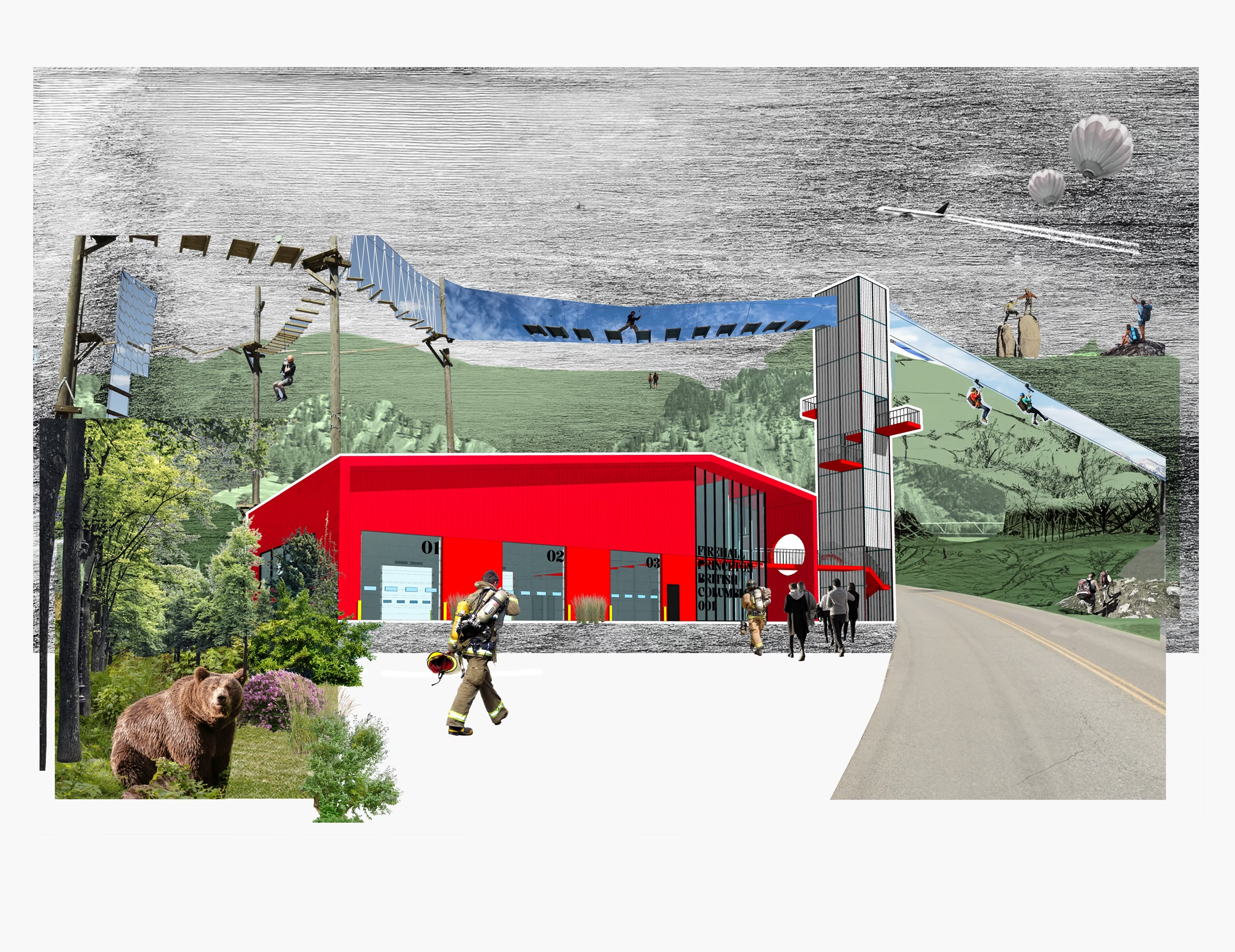
The proposed fire hall for the Town of Princeton is conceived as both a critical piece of civic infrastructure and a meaningful community landmark. The design balances the operational demands of emergency services with a broader civic presence, positioning the building as a recognizable and welcoming anchor within the town. A prominent viewing tower serves as a defining architectural element, reinforcing the fire hall’s role as a symbol of safety, readiness, and civic pride, while also establishing a visible point of orientation within the surrounding landscape. Material choices and massing are informed by Princeton’s rural and small-town character, combining durability with warmth to ensure the building feels approachable rather than institutional. The overall form is carefully scaled to fit its context while still asserting its importance as a public building.
Beyond its primary function, the fire hall is intentionally designed to act as a hub for community life. The building’s organization supports flexibility for future community uses, allowing it to adapt as Princeton grows and its needs evolve. Site design and outdoor areas further reinforce this civic role, creating opportunities for gathering, education, and informal interaction. In this way, the fire hall is not only a place of emergency response, but a lasting piece of social infrastructure—one that contributes to Princeton’s identity and supports the community well beyond its core operational purpose.